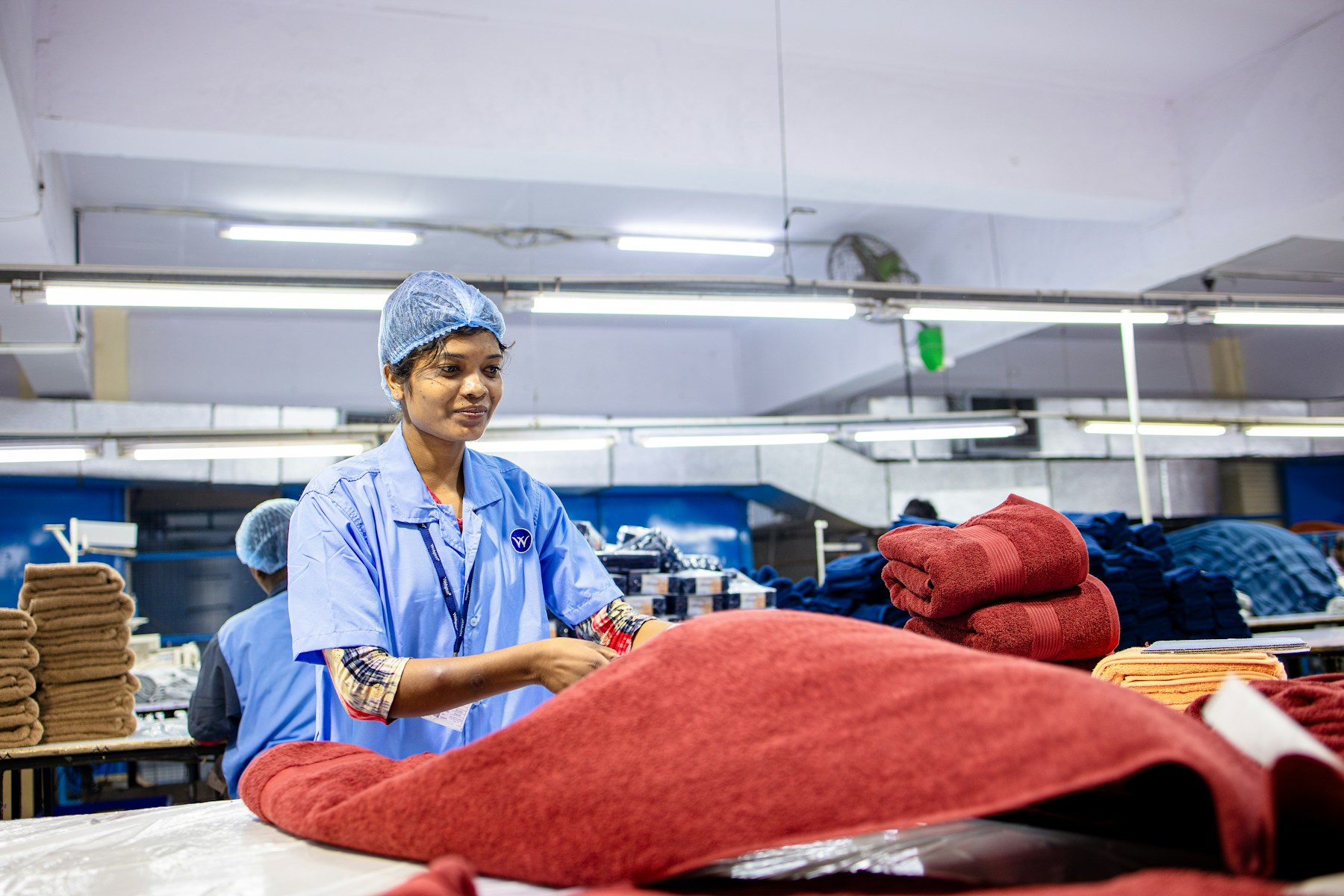
Quality Control
Quality Control Checklist for Sports HeadbandsRead more


MOQ and lead time planning can decide whether a custom sports accessory project launches smoothly or becomes stressful. Buyers often focus on product design first, but production timing, packaging approval, carton marks, inspection, and shipping schedules are just as important. For target customers such as sports brands, school suppliers, distributors, tournament organizers, and private-label retailers, a realistic plan protects margins and launch dates.
MOQ means Minimum Order Quantity, but it is not only one number. A supplier may have MOQ by style, by color, by logo method, by packaging type, or by material dye lot. For example, one terry cloth wristband style may support a lower MOQ in stock colors, while a custom Pantone color may require a higher quantity. A sweatband set may also need coordinated MOQ for both headband and wristband components.
Sampling is the phase where buyers confirm material, size, logo placement, color, packaging, and overall feel. Bulk lead time begins after sample approval and deposit. Buyers should not combine these into one vague timeline. For custom sports accessories, sampling may involve several rounds if the logo is complex or the color standard is strict.
Buyers can reduce delays by providing clean vector logo files, exact color references, size specs, target order quantity, packaging requirements, and destination country at the beginning. If the product is for a fixed event date, share the date early. A supplier can then recommend air freight, sea freight, or phased shipment options.
New brands should avoid launching too many SKUs at once. Start with core colors and a focused product mix: for example, one headband, one wristband, and one set option. After sales data confirms demand, expand into more colorways, holiday packs, or retail bundles. This approach helps manage cash flow and inventory risk.
Distributors may need broader SKU coverage, but they can still reduce complexity by using shared materials and packaging across multiple designs. Retailers should align MOQ with shelf plan, replenishment cycle, and warehouse capacity. For U.S., European, Australian, and Middle Eastern buyers, carton labeling and compliance requirements should be confirmed before production begins.
Kingspeed helps buyers plan MOQ, sampling, bulk production, inspection, and shipping for custom headbands, wristbands, sweatband sets, wrist wallets, NFC wristbands, and event merchandise programs.