Quality Control
Quality Control Checklist for Sports HeadbandsRead more

Choosing the right sweatband material is one of the first decisions that shapes comfort, price, brand positioning, and repeat-order stability. For buyers sourcing custom sports headbands, terry cloth wristbands, wrist wallets, and sweatband sets from China, material selection should start with the user scenario, not only with a fabric name. A school fundraiser, a marathon merchandise program, a premium retail collection, and a gym chain uniform kit may all need different absorbency, stretch, colorfastness, and packaging choices.
For high-sweat activities such as basketball, running, tennis, pickleball, football training, and gym workouts, buyers usually prioritize absorbency and skin comfort. Cotton-rich terry is popular because it feels familiar, soft, and moisture-friendly. For hotter markets such as the southern United States, Southeast Asia, the Middle East, and outdoor summer events in Europe, a balanced cotton-polyester blend can improve drying speed while keeping a pleasant hand feel.
For lifestyle, promotional, and low-intensity use, buyers may focus more on color vibrancy, logo clarity, and cost control. Polyester blends can help maintain shape and color consistency across repeated production. Nylon and spandex can improve recovery and fit when the product needs more compression or stretch.
Material names alone are not enough for a reliable OEM order. Ask your supplier to confirm yarn composition, weight, width, stretch range, shrinkage expectations, and sample washing performance. For private-label retail programs, specify whether the customer should feel a plush towel-like surface, a compact athletic knit, or a lighter promotional product. These details reduce misunderstandings during sampling and bulk production.
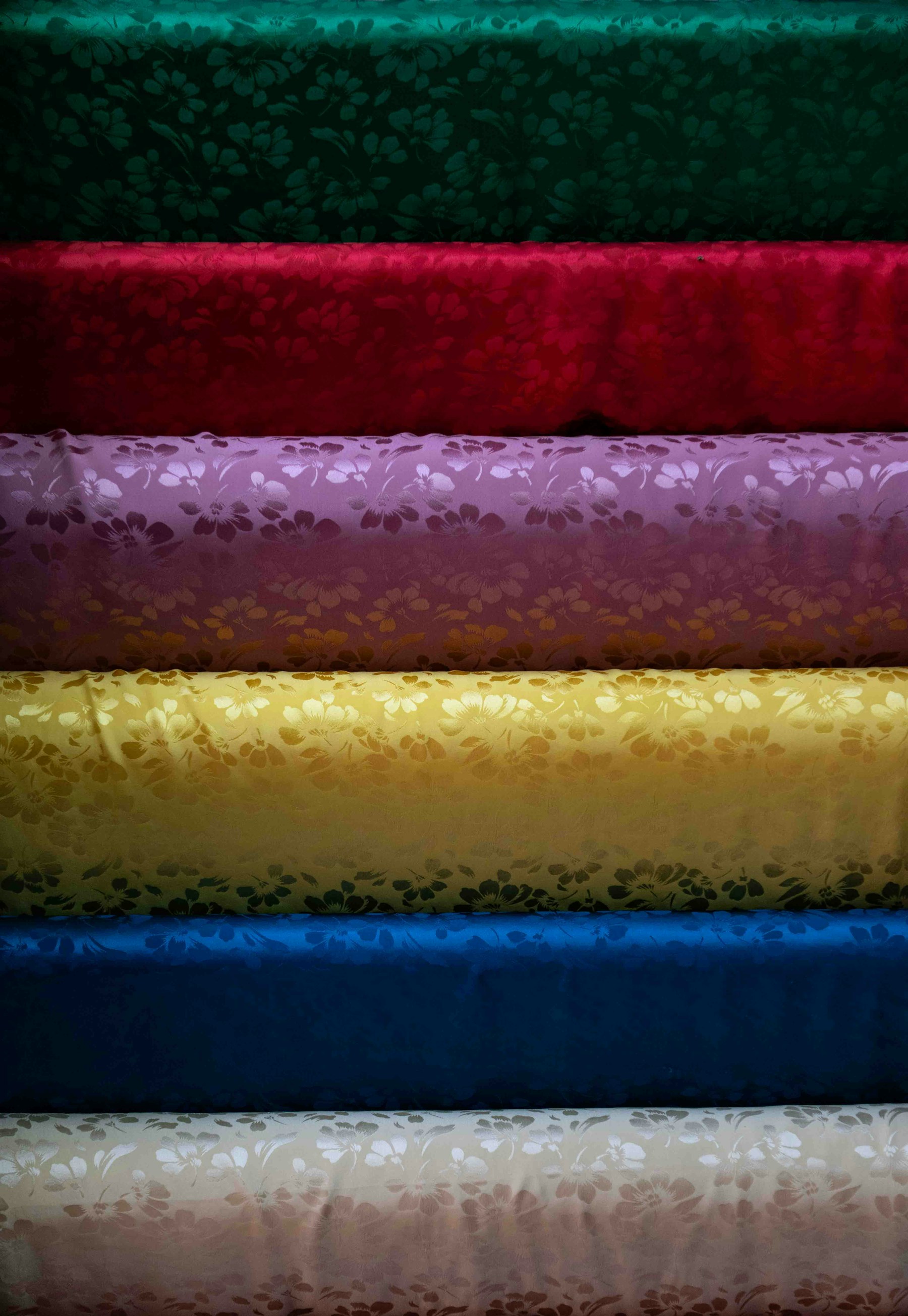
Sweatbands are often sold in team colors, school colors, brand collections, and event merchandise kits. Color matching should be planned before final sample approval. Pantone references, physical color swatches, logo thread colors, zipper trims, labels, and packaging artwork should be reviewed together. This is especially important for buyers in the United States, Canada, Europe, Australia, and Japan where retail presentation and reorder consistency are closely inspected.
A practical test plan should include wash stability, colorfastness, elasticity recovery, logo durability, linting, and seam strength. For sweatband sets, inspect the headband and wristbands together because they need to look coordinated in one pack. For tournament merchandise and wholesale distributors, compare multiple samples from the same dye lot to understand batch consistency.
The best material is the one that matches your customer, price range, sales channel, and reorder plan. Kingspeed supports OEM and ODM buyers with material selection, color matching, logo testing, and scalable production for custom sports headbands, wristbands, sweatband sets, wrist wallets, and related sports accessories.